

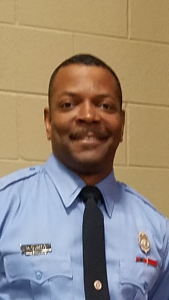
Parliamentarian
pcurtis@iabpf.org
Parliamentarian’s Corner
Keeping Order So We Can Focus on What Matters
Brothers and Sisters,
The IABPFF is built on tradition, respect, and unity. Just like on the fireground, things run best when everyone knows their role and we follow a clear system. In our meetings, that system is our Constitution and Bylaws and Roberts rules newly revised edition. This applies from the International all the way down to our individual chapters.
My job as IABPFF Parliamentarian is simple:
To help our meetings stay fair, organized, and respectful — so the will of the membership is heard clearly and carried out properly.
What the Parliamentarian Does
- Advises the Chair on procedure
- Helps interpret our Constitution and Bylaws
- Assists with wording motions when asked
- Helps ensure everyone gets a fair chance to speak
- Protects both majority rule and minority rights
Just like a safety officer doesn’t run the fire but keeps operations safe — the Parliamentarian doesn’t run the meeting. The Chair runs the meeting. I advise.
Wearing Two Helmets: Parliamentarian & Member
I am also a dues-paying member, just like you.
That means I have the right to:
- Make motions
- Speak in debate
- Vote
But when I’m actively advising the Chair, I stay neutral.
If I want to debate an issue, I will clearly step out of the advisory role for that item. You’ll know when I’m speaking as a member and not as the Parliamentarian. That separation protects fairness and trust.
Perception matters in leadership — especially in a national brotherhood like ours.
Why Procedure Matters
Rules aren’t about control. They’re about respect.
Good procedure ensures:
- Every chapter has a voice
- Debate stays professional
- Decisions are clear and defensible
- No one gets steamrolled
- Our actions hold up between conventions
Quick Refresher for Convention & Meetings
Making a Motion
- Get recognized by the Chair.
- Say, “I move that…”
- Another member seconds it.
- Debate begins after the Chair restates it.
Amending a Motion If something needs adjusting:
- Move to amend (add, remove, or replace wording).
- It requires a second.
- We vote on the amendment before returning to the main motion.
Point of Order, If procedure isn’t being followed:
- Say, “Point of order.”
- The Chair will address it.
- If needed, the membership can appeal the ruling.
No drama. No personal attacks. Just process.
A Final Word
We serve in a profession built on discipline, accountability, and trust. Our meetings should reflect that same standard.
Procedure protects the mission.
Procedure protects the membership.
Procedure protects the association.
If you ever have a question about motions, bylaws, or convention process, reach out ahead of time. I’d rather help you craft a clean motion before a meeting than untangle confusion on the floor.
Stay safe. Stay professional. Stay unified.
Parliamentarian
Things to consider when writing a motion.
When presenting a motion, the goal should be to clearly state what action you want the organization to take—not to explain every reason, detail, or argument within the motion itself.
A well-written motion should be concise, specific, and capable of being acted upon. Long or overly detailed motions can create unintended problems, including requiring multiple amendments before the membership can vote on the actual issue.
Keep the Motion Simple
Before submitting a motion, ask yourself:
- What exactly am I asking the organization to do?
- Who is responsible for carrying out the action?
- What is the desired result?
- Does the motion contain unnecessary background, explanations, or instructions?
The motion should generally contain the action being proposed.
The reasoning behind the motion can be explained during debate.
Example of an Overly Complicated Motion
“I move that the Association establish a committee consisting of five members from different regions, with the committee meeting monthly beginning within 30 days, developing a comprehensive plan for outreach, submitting quarterly reports to the Executive Board, creating a budget not to exceed $5,000, and presenting its final recommendations at the next Biennial Convention.”
This motion contains numerous separate requirements. During debate, members may want to change the number of committee members, the deadline, the budget, the reporting requirements, or other provisions. As a result, the motion could require several amendments before the membership can vote on the basic proposal.
A More Concise Approach
“I move that the Association establish a committee to develop and recommend an outreach program for consideration by the Association.”
This states the fundamental action clearly.
The membership can then discuss and, if necessary, amend specific details such as:
- The number of committee members
- Who appoints the members
- The committee’s deadline
- Reporting requirements
- Funding
- The scope of the committee’s work
A Good Rule to Remember
Put the “WHAT” in the motion and the “WHY” in the debate.
The motion should tell the membership what action is being proposed. The maker of the motion can then explain why the action is necessary or beneficial during debate.
Before Submitting a Motion
Consider using this simple formula:
“I move that [the organization] [take this specific action].”
If additional details are truly necessary, include only those details that are essential to understanding or carrying out the motion.
The objective is not to make a motion as short as possible. The objective is to make it as clear and focused as possible.
A concise motion gives the membership a clear question to consider, reduces unnecessary amendments, and makes it easier for the presiding officer, parliamentarian, and members to understand exactly what is before the assembly.
Remember: A motion should open the door for discussion—not attempt to settle every detail before discussion begins.


